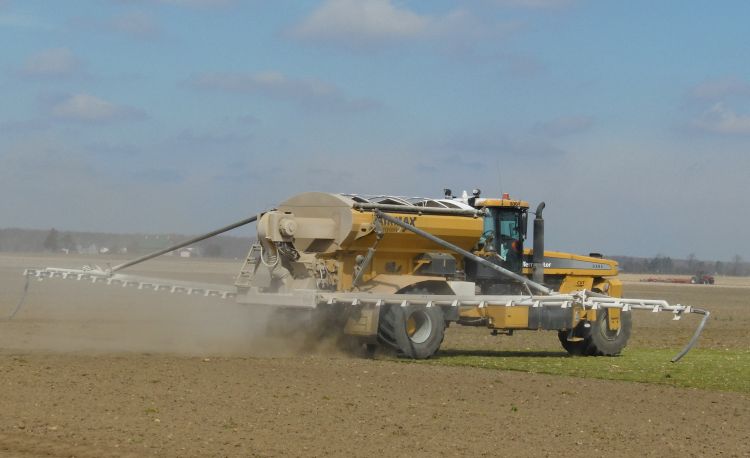
The Ultimate Guide to Winter Wheat Fertilizer: Boost Yields with Sustainable Phosphorus Management

Winter wheat has unique nutritional needs that span two growing seasons. Getting phosphorus management right is critical for stand establishment, winter survival, and spring yield potential.
Fall Fertilization
The Critical Window Fall-applied P supports: - Root establishment before dormancy - Winter hardiness - Early spring green-up
Application Timing Apply before or at planting for best results. Fall-banded P is particularly effective.
Rate Considerations Base rates on soil tests, yield goals, and expected spring requirements.
The Winter Challenge
Applied P has months to react with soil before the crop can use it:
- Fixation continues through winter
- Spring availability may be limited
- Cold soils further restrict P uptake
Spring Options
Topdress Applications Can supplement fall applications but face surface placement challenges.
Foliar Feeding Useful for addressing observed deficiencies but limited in volume.
In-Furrow (for spring wheat) Most efficient but not applicable to winter wheat.
Maximizing Efficiency
Phosphorus efficiency technology helps protect fall-applied P through winter:
- Reduced fixation extends availability to spring
- More of your investment is available when the crop needs it
- Better ROI on fall fertilizer dollars
Building a Complete Program
Winter wheat nutrition involves more than just phosphorus. Work with your agronomist to develop a complete fertility program.
Contact us to discuss how NutriCharge fits into your winter wheat program.